
The Power System Fails
Five Days at MemorialThis thread follows Memorial’s backup power from an overlooked design weakness to a cascading loss of essential hospital functions.
increasing Bearing strength in each event
 decreasing
Bearing strength in each eventdecreasingKnown Weak Points
Known Weak Points
A Warning on Paper
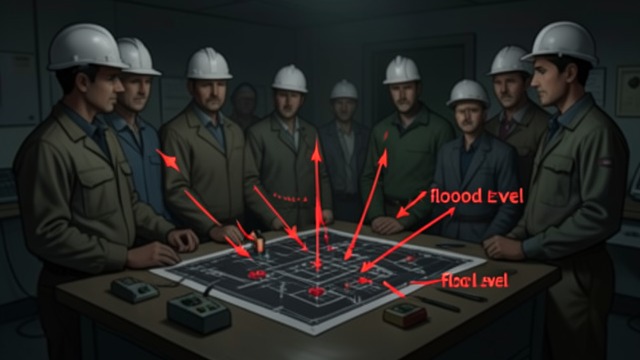
Eric Yancovich had studied flood projections and warned that relatively shallow water could disable critical parts of Memorial’s electrical distribution system. Some recommended improvements were deferred for lack of capital.
Risk Left in Place
The generators themselves stood above flood level, but switches and other components did not. That distinction became decisive when the hospital needed sustained emergency power.
Utility Power Ends
Utility Power Ends
Backup Takes Over
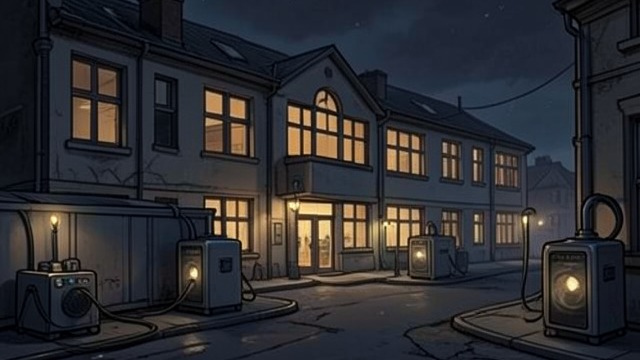
City power failed during the hurricane, and Memorial’s auxiliary generators started. They supplied selected emergency outlets and equipment, but not air-conditioning.
Rising Heat
The hospital began to warm while the generators carried an increasingly important load. Patients and workers entered a crisis shaped both by the storm outside and the limited capabilities of the backup system.
Water Reaches the Basement
Water Reaches the Basement
The Vulnerability Becomes Real
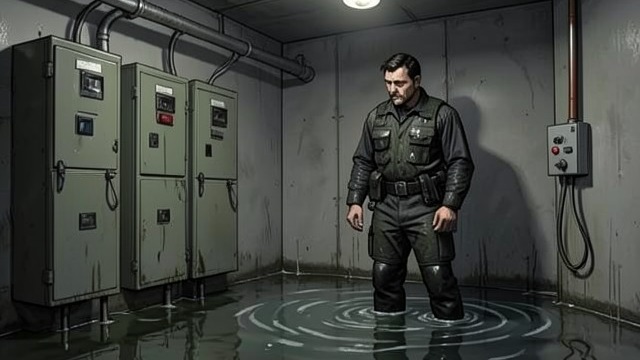
Floodwater entered areas containing electrical equipment and threatened transfer switches and distribution panels. Yancovich’s earlier warning now described the crisis unfolding around him.
No Simple Fix
The generators could not help if damaged or submerged components prevented power from reaching clinical areas. Staff continued evacuation while trying to understand a system built through decades of additions.
The Generators Die
The Generators Die
A Losing Repair Effort
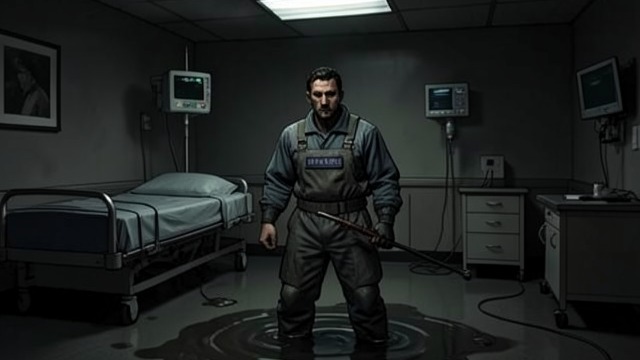
Maintenance workers tried to restart failing generators, reroute loads, and keep the electrical system operating. They worked in darkness and floodwater without the specialist support or replacement parts they needed.
Silence in the Hospital
The last generator stopped after nearly two days of operation. Ventilators, communications, lights, and other systems became harder or impossible to use, leaving patients and staff exposed to a new level of danger.
Small Generators Reappear
Small Generators Reappear
Limited Electricity Returns
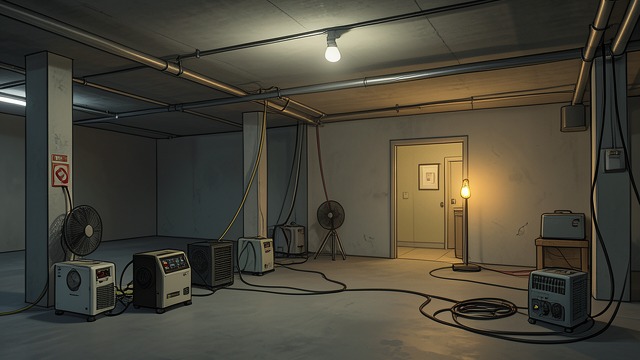
Workers later set up small generators in the parking garage. Extension cords powered fans and a few lights in the patient staging area.
What Could Have Been Done
The modest improvement eased conditions but came late and did not restore the hospital’s full clinical capacity. Its timing sharpened questions about preparedness, ingenuity, and the difference between power for comfort and power for life support.
Months before August 2005
August 29, 2005, 4:55 a.m.
August 30, 2005
August 31, 2005, about 2 a.m.
September 1, 2005
